
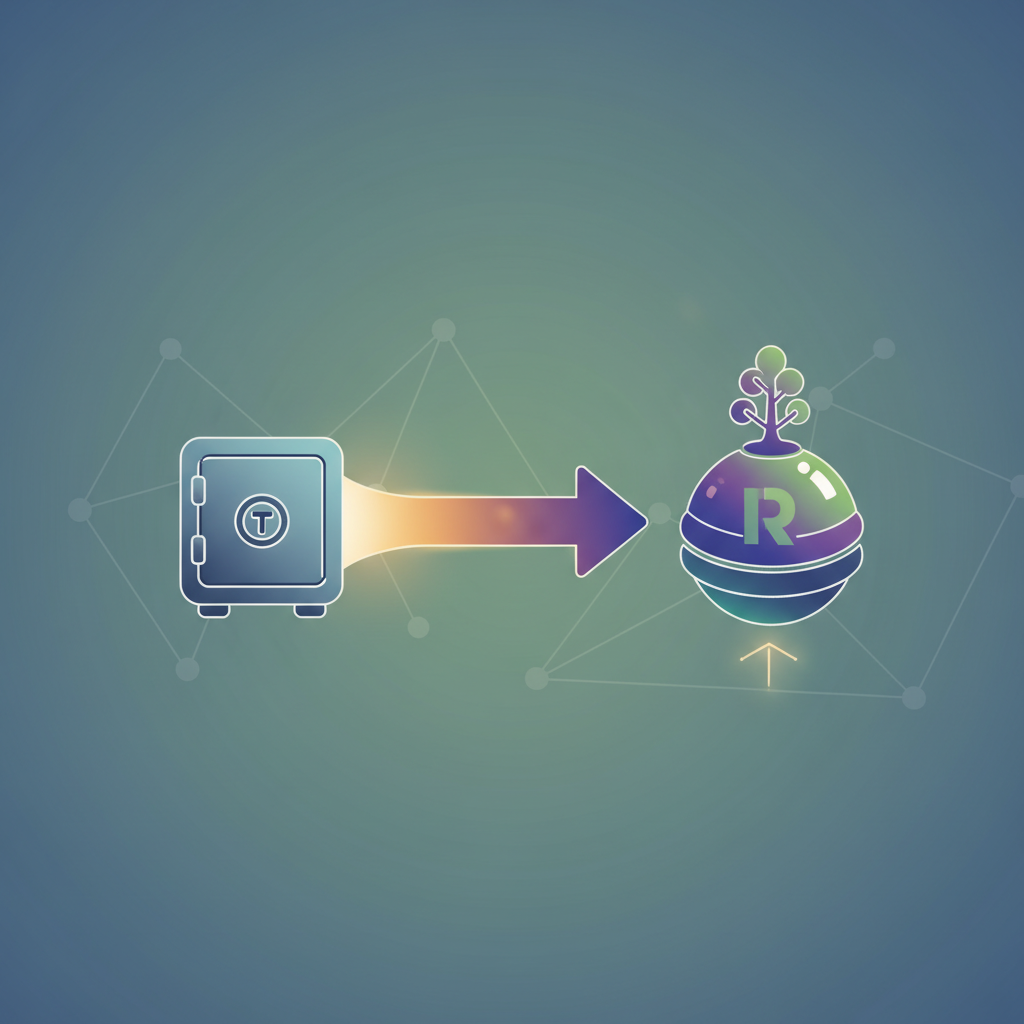
What Is a Roth Conversion and When Does It Make Sense?
What Is a Roth Conversion and When Does It Make Sense?
A Roth conversion moves money from a pre-tax retirement account, like a traditional IRA, into a Roth IRA. You pay taxes on the amount converted now, but future qualified growth and withdrawals can be tax-free. It can make sense when you expect higher future tax rates, want more tax flexibility, or are planning for retirement and legacy goals.
What Is a Roth Conversion?
A Roth conversion is the process of moving retirement assets from a traditional IRA or other pre-tax account into a Roth IRA.
Here’s the simple version:
- Traditional IRA money has generally not been taxed yet
- Roth IRA money grows tax-free if rules are met
- When you convert, the amount converted is generally added to your taxable income for that year
This means a Roth conversion is not free — it is a tax tradeoff.
How Does a Roth Conversion Work?
A Roth conversion usually follows these basic steps:
- Identify how much you want to convert
- Estimate the tax impact
- Transfer the funds from a traditional IRA to a Roth IRA
- Pay taxes on the converted amount
- Invest the assets inside the Roth IRA for future growth
Two important notes:
- The converted amount is generally taxed as ordinary income
- A larger conversion can push you into a higher tax bracket
Why Do People Do Roth Conversions?
Many households use Roth conversions to create more tax-free money later in life.
Common reasons include:
- They believe their future tax rate may be higher
- They want to reduce future required minimum distributions
- They want more tax diversification in retirement
- They want to leave heirs assets that may be more tax-efficient than a traditional IRA
- They have a temporary low-income year and want to use it strategically
For higher-income households, Roth conversions are often part of a broader tax planning strategy, not a one-time decision.
When Does a Roth Conversion Make Sense?
A Roth conversion may make sense when:
- Your income is lower than usual
- You are between retirement and RMD age
- The market is down and you can convert assets at a lower value
- You have cash available outside the IRA to pay the taxes
- You expect to be in the same or a higher tax bracket later
- You want to reduce the size of future taxable retirement withdrawals
This is often most attractive during what advisors call the “gap years” — the period after work income stops but before required withdrawals begin.
When Might a Roth Conversion Not Make Sense?
A Roth conversion may be less attractive when:
- You are already in a high tax bracket
- The conversion would trigger a large jump in taxes
- You do not have outside cash to pay the tax bill
- You may need the converted funds soon
- The conversion could increase exposure to other tax-related costs
- You expect to be in a meaningfully lower tax bracket later
In short, paying tax now only helps if it improves the long-term outcome.
How Much Tax Do You Pay on a Roth Conversion?
You generally pay income tax on the pre-tax amount converted.
Example:
- If you convert $50,000
- That $50,000 is generally added to your taxable income for the year
- The actual tax cost depends on your:
- federal bracket
- state taxes
- other income
- deductions
- filing status
A Roth conversion does not usually create the same tax treatment as long-term capital gains. It is typically taxed as ordinary income.
Should You Convert All at Once or Over Several Years?
For many households, partial Roth conversions over multiple years are more effective than one large conversion.
Why?
- They can help manage tax brackets
- They may reduce the chance of paying tax at the highest marginal rates
- They allow more flexibility if income changes from year to year
- They can fit into a broader year-by-year tax plan
A common strategy is to convert “up to” the top of a target tax bracket each year.
What Are the Benefits of a Roth Conversion?
Potential benefits include:
- Tax-free qualified withdrawals in retirement
- Reduced future required minimum distributions from pre-tax IRAs
- Greater flexibility in retirement income planning
- Potential tax advantages for heirs
- More control over future taxable income
For many retirees, having money in taxable, tax-deferred, and tax-free accounts creates better planning flexibility.
What Are the Risks or Downsides of a Roth Conversion?
Potential downsides include:
- A larger current-year tax bill
- Higher adjusted gross income for the year
- Possible impact on:
- Medicare-related premiums later
- taxation of Social Security
- tax credits or deductions
- college aid formulas in some cases
- Less cash available if you use outside assets to pay the taxes
The key question is not just, “Can I convert?”
It is, “Will converting improve my after-tax outcome over time?”
Is It Better to Pay the Taxes From the IRA or From Cash?
In many cases, it is better to pay the tax from cash outside the IRA if possible.
Why?
- More money stays invested inside the Roth
- You avoid shrinking the amount that gets future tax-free growth
- If you are under age 59½, using IRA assets for taxes can create additional complications
Using outside cash often makes the strategy more effective.
What Is the Best Age to Do a Roth Conversion?
There is no single best age, but some of the most common windows are:
- Early retirement
- Years with a temporary drop in income
- Before required minimum distributions begin
- After a market decline
- During years when tax planning shows available room in a desired bracket
The best timing depends more on your tax situation than your age alone.
Can High-Income Earners Benefit From Roth Conversions?
Yes, but the analysis matters more.
High-income earners may benefit when:
- They have unusually low-income years
- They retire before RMDs start
- They want to reduce future taxable IRA balances
- They are doing long-term estate and tax planning
- They want more flexibility later for withdrawals, capital gains, or Medicare planning
For high earners, Roth conversions are usually most effective when coordinated with:
- income timing
- charitable giving
- investment gains
- retirement cash flow planning
What Accounts Can Be Converted to a Roth IRA?
Accounts commonly involved include:
- Traditional IRA
- Rollover IRA
- SEP IRA
- SIMPLE IRA in eligible situations
- In some cases, assets from employer plans may be rolled into an IRA and then evaluated for conversion
The exact process depends on the account type and plan rules.
Does a Roth Conversion Eliminate Required Minimum Distributions?
A Roth conversion can reduce future RMD exposure by shrinking pre-tax IRA balances.
In general:
- Traditional IRA balances are typically subject to future RMD rules
- Roth IRA balances are generally more flexible during the original owner’s lifetime
This is one reason conversions are attractive for retirees who want more control over taxable income later.
How Should You Decide Whether a Roth Conversion Is Worth It?
Start with these questions:
- What is my tax rate today?
- What might my tax rate be later?
- Do I have cash outside the IRA to pay the tax?
- How long can the Roth money stay invested?
- Will this help reduce future RMDs or improve retirement flexibility?
- Could the conversion trigger other tax or planning issues?
A Roth conversion is usually most helpful when it fits into a larger multi-year plan.
What Is a Good Roth Conversion Strategy for Families Building Wealth?
For families still saving for retirement, college, and other goals, the best Roth conversion strategy is often measured and intentional.
That may include:
- converting only part of an IRA each year
- targeting specific tax brackets
- coordinating conversions with market declines
- reviewing the strategy annually
- balancing conversions with:
- 401(k) contributions
- taxable investing
- 529 funding
- charitable planning
The goal is not to convert for the sake of converting.
The goal is to improve after-tax wealth over time.
Frequently Asked Questions About Roth Conversions
Is a Roth conversion the same as a Roth contribution?
No.
- A Roth contribution is new money added to a Roth account, subject to contribution rules
- A Roth conversion is existing pre-tax retirement money moved into a Roth IRA
Do you pay penalties on a Roth conversion?
The conversion itself is generally not the same as an early withdrawal penalty, but taxes still apply. The details can vary depending on how funds are handled.
Can you do Roth conversions every year?
Yes. Many investors use annual partial conversions as part of an ongoing tax strategy.
Is a Roth conversion reversible?
Under current rules, Roth conversions generally cannot be undone later, so planning ahead matters.
Final Answer: Who Should Consider a Roth Conversion?
A Roth conversion is often worth considering for households that want more tax-free retirement income, expect future tax rates to stay the same or rise, and have room to pay taxes now in exchange for long-term flexibility. The most effective approach is usually a multi-year, tax-aware strategy, not a rushed one-time decision.